
Contact Us
Mobile: +919345433436
Email Us: carbonsportsindia@gmail.com
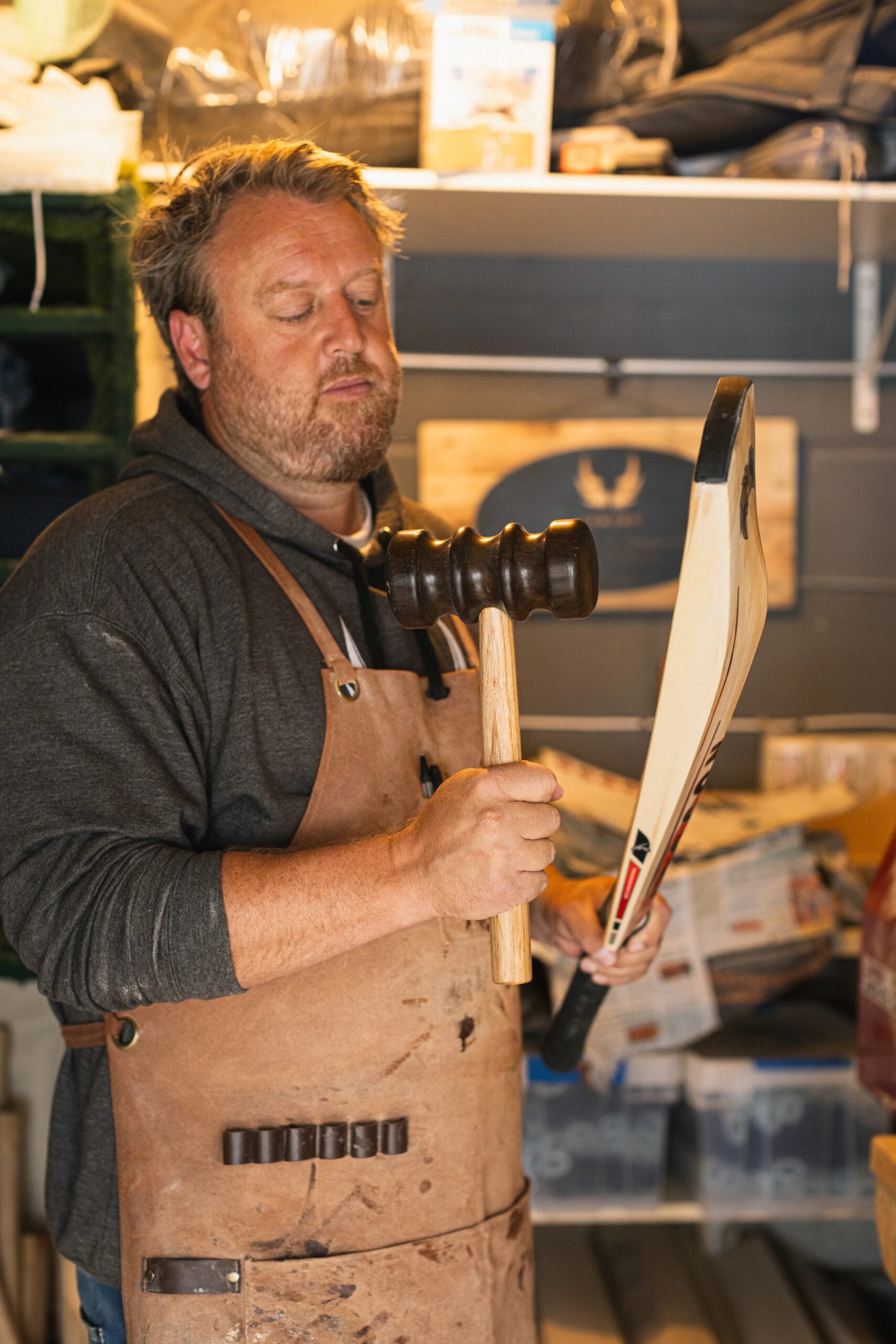
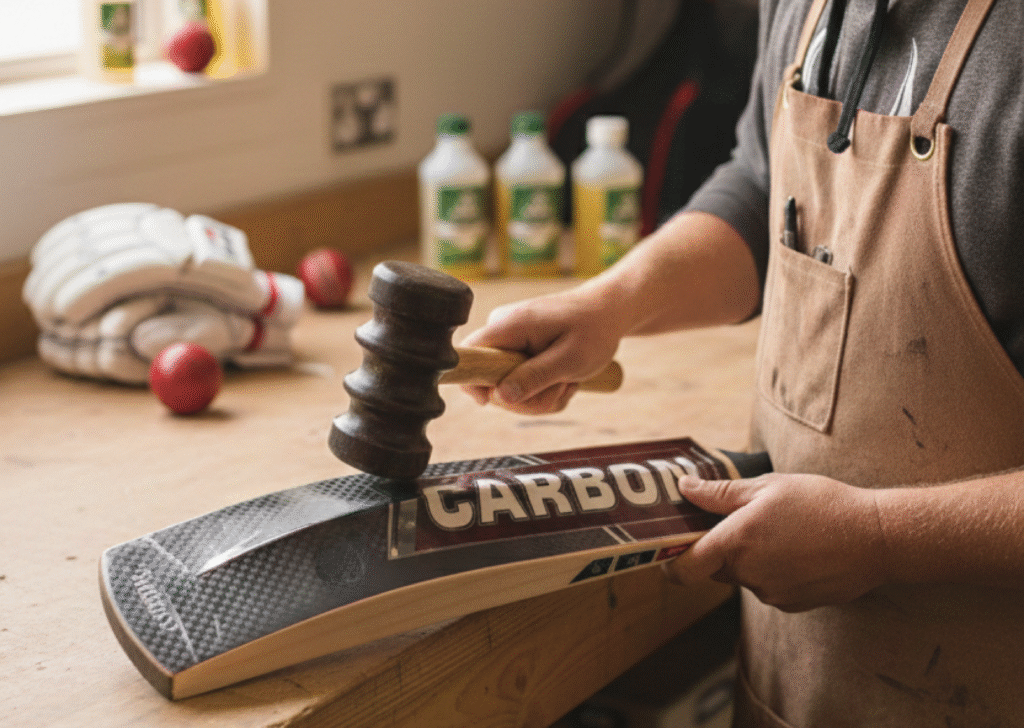
All bats are double pressed, but proper ‘knocking in’ is essential. It compresses the willow fibres, strengthening the bat for impact. Use a bat mallet to gently strike the face and edges, increasing force gradually. A bat is ready when no seam marks appear from a leather ball. Proper knocking in boosts performance and lifespan. Never use a bat in a match before it’s fully prepared.
WARNING: Do not use the bat in match conditions until it is fully knocked in and prepared, or it may cause damage.
WARNIING: Do not use the bat in match condition until it is fully knocked in and prepared, or it may cause damage.
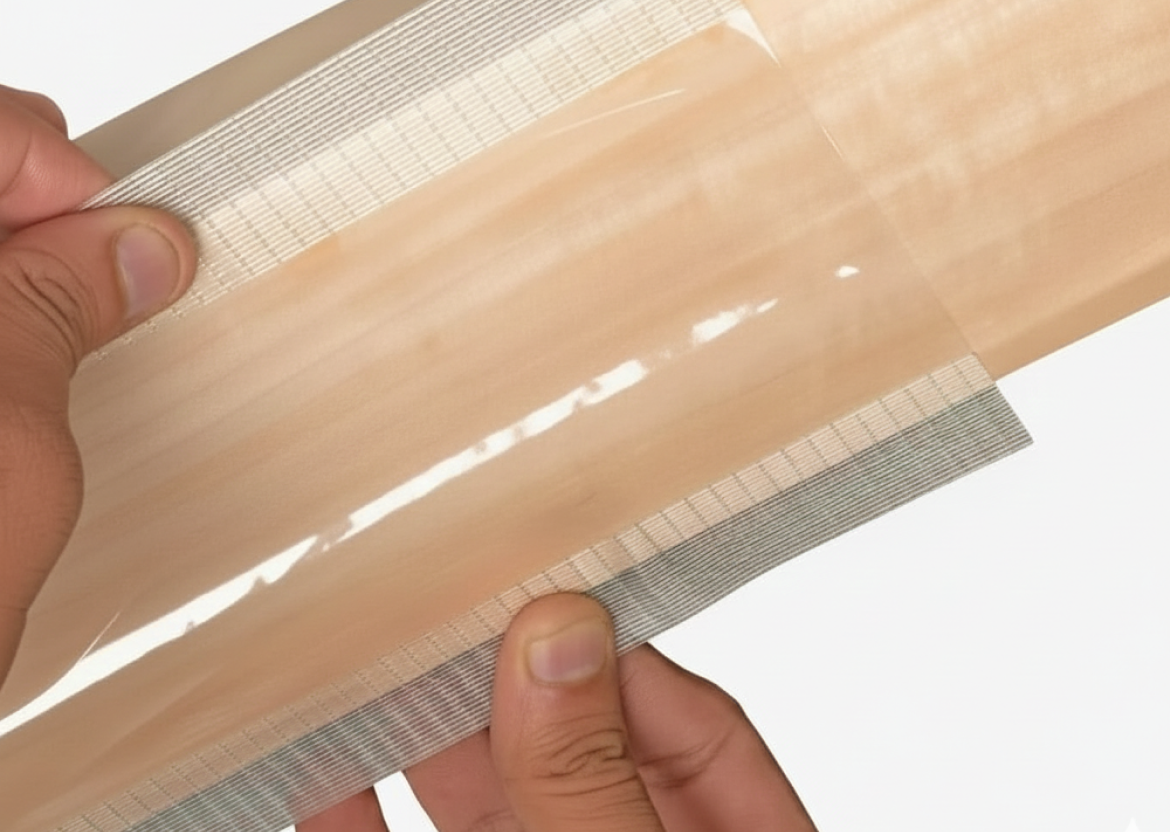
Toe guards can help to protect the toe of the bat from feathering during use and stops moisture from being absorbed into the toe area. However, some players prefer the natural “feel” so our bats do not have a toe guard applied. We can apply one at the time of purchase if required but it will marginally affect the weight distribution and hence, the pickup of the bat.
1) Moisture (e.g. water) should not be allowed to penetrate your bat, particularly at the base/toe of the blade as this can cause swelling and splitting of the willow.
2) Extreme heat should be avoided, e.g. car boots/interiors or utility rooms. Drying out will cause cracking and splits. Store in a moderate temperature to help preserve the condition of the willow.
Toe guards can help to protect the toe of the bat from feathering during use and stops moisture from being absorbed into the toe area. However, some players prefer the natural “feel” so our bats do not have a toe guard applied. We can apply one at the time of purchase if required but it will marginally affect the weight distribution and hence, the pickup of the bat.
1) Moisture (e.g. water) should not be allowed to penetrate your bat, particularly at the base/toe of the blade as this can cause swelling and splitting of the willow.
2) Extreme heat should be avoided, e.g. car boots/interiors or utility rooms. Drying out will cause cracking and splits. Store in a moderate temperature to help preserve the condition of the willow.
ENGLISH WILLOW is a natural product prone to superficial damage from the impact of a cricket ball, hence proper preparation is paramount to avoid damage.
Minor cracks and indentations are common on all cricket bats due to the nature of the sport (soft willow vs hard ball) and are not warrantable items.
All bats are double pressed, but proper ‘knocking in’ is essential. It compresses the willow fibres, strengthening the bat for impact. Use a bat mallet to gently strike the face and edges, increasing force gradually. A bat is ready when no seam marks appear from a leather ball. Proper knocking in boosts performance and lifespan. Never use a bat in a match before it’s fully prepared.
WARNING: Do not use the bat in match conditions until it is fully knocked in and prepared, or it may cause damage.
WARNING: Do not use the bat in match conditions until it is fully knocked in and prepared, or it may cause damage.
1) Moisture (e.g. water) should not be allowed to penetrate your bat, particularly at the base/toe of the blade as this can cause swelling and splitting of the willow.
2) Extreme heat should be avoided, e.g. car boots/interiors or utility rooms. Drying out will cause cracking and splits. Store in a moderate temperature to help preserve the condition of the willow.
Toe guards can help to protect the toe of the bat from feathering during use and stops moisture from being absorbed into the toe area. However, some players prefer the natural “feel” so our bats do not have a toe guard applied. We can apply one at the time of purchase if required but it will marginally affect the weight distribution and hence, the pickup of the bat.
1) Moisture (e.g. water) should not be allowed to penetrate your bat, particularly at the base/toe of the blade as this can cause swelling and splitting of the willow.
2) Extreme heat should be avoided, e.g. car boots/interiors or utility rooms. Drying out will cause cracking and splits. Store in a moderate temperature to help preserve the condition of the willow.
ENGLISH WILLOW is a natural product prone to superficial damage from the impact of a cricket ball, hence proper preparation is paramount to avoid damage.
Minor cracks and indentations are common on all cricket bats due to the nature of the sport (soft willow vs hard ball) and are not warrantable items.
All bats are double pressed, but proper ‘knocking in’ is essential. It compresses the willow fibres, strengthening the bat for impact. Use a bat mallet to gently strike the face and edges, increasing force gradually. A bat is ready when no seam marks appear from a leather ball. Proper knocking in boosts performance and lifespan. Never use a bat in a match before it’s fully prepared.
WARNING: Do not use the bat in match conditions until it is fully knocked in and prepared, or it may cause damage.
WARNIING: Do not use the bat in match condition until it is fully knocked in and prepared, or it may cause damage.
1) Moisture (e.g. water) should not be allowed to penetrate your bat, particularly at the base/toe of the blade as this can cause swelling and splitting of the willow.
2) Extreme heat should be avoided, e.g. car boots/interiors or utility rooms. Drying out will cause cracking and splits. Store in a moderate temperature to help preserve the condition of the willow.
Toe guards can help to protect the toe of the bat from feathering during use and stops moisture from being absorbed into the toe area. However, some players prefer the natural “feel” so our bats do not have a toe guard applied. We can apply one at the time of purchase if required but it will marginally affect the weight distribution and hence, the pickup of the bat.
1) Moisture (e.g. water) should not be allowed to penetrate your bat, particularly at the base/toe of the blade as this can cause swelling and splitting of the willow.
2) Extreme heat should be avoided, e.g. car boots/interiors or utility rooms. Drying out will cause cracking and splits. Store in a moderate temperature to help preserve the condition of the willow.
ENGLISH WILLOW is a natural product prone to superficial damage from the impact of a cricket ball, hence proper preparation is paramount to avoid damage.
Minor cracks and indentations are common on all cricket bats due to the nature of the sport (soft willow vs hard ball) and are not warrantable items.
Carbon Sports
Typically replies within minutes
What do you want to enquire about?
🏏 Enquire for Cricket Bat
👕 Enquire for Custom Teamwear
WhatsApp Us
Online | Privacy policy
WhatsApp us
